
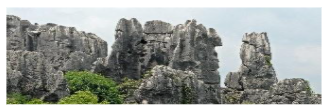
 After making key decisions at its September 2025 meeting, the IPSASB is well on track to finalise its guidance on accounting for tangible natural resources by the end of the year.
Revised definition for tangible natural resources
The IPSASB previously agreed that the final IPSAS will focus on tangible natural resources held for conservation. At its September meeting, the IPSASB reviewed a revised definition and updated text to reflect this decision. The revised definition clarifies that a tangible natural resource held for conservation is managed to prevent its degradation. Additional guidance explains the concept of degradation and what is meant by “conservation”.
Tangible natural resources held for conservation are used to generate service potential
The IPSASB concluded that where an entity conserves a tangible natural resource, the resource will be used to generate service potential and is therefore held for its operational capacity. This conclusion resulted in the removal of references to “fair value”, “economic benefits”, and “financial capacity” from the new IPSAS.
Scoping of tangible natural resources
Tangible natural resources other than those held for conservation can be held for their ability to generate economic benefits, service potential, or both, and therefore fall within the scope of other IPSAS. An entity applies judgement to determine the primary intended reason for holding the asset to conclude whether a tangible natural resource falls within the scope of the new IPSAS or another IPSAS. For example, if a resource is held in the production or supply of goods or services, the resource will fall within the scope of IPSAS 45 on Property, Plant and Equipment, rather than in the scope of the new IPSAS. IPSAS 45 will scope out tangible natural resources held for conservation.
Next steps
The final IPSASB will be approved at the December 2025 IPSASB meeting.
For further developments on the project, you can subscribe to the ASB’s newsletter or follow the IPSASB’s Natural Resources project on IPSASB Natural-resources.
Disclaimer
The article has been prepared by the Secretariat of the ASB for information purposes only. It has not been reviewed, approved, or otherwise acted on by the Board.